







Search Results for: Extraction Efficiency
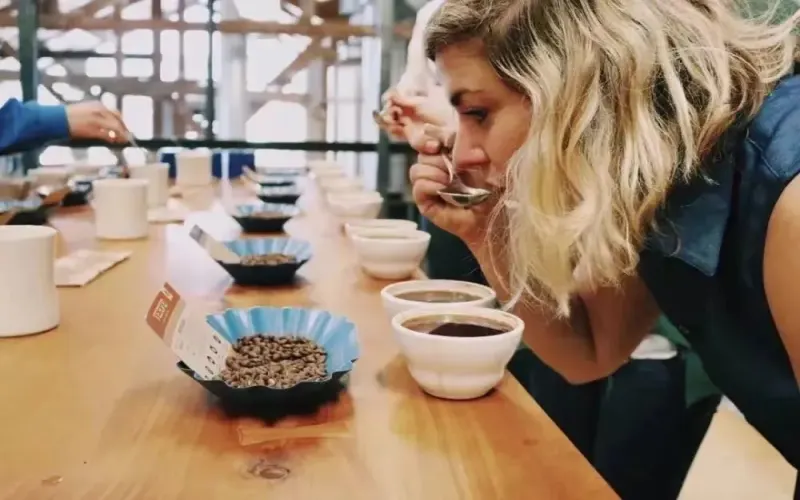
Methods for Adjusting Pour-Over Coffee Extraction Efficiency and an Analysis of Why Baristas Taste Before Serving
In the daily experience of pour-over coffee, many enthusiasts have encountered this scene: after the barista finishes brewing, they do not immediately hand the coffee to the customer, but first pour a small cup to taste it themselves. This move often confuses friends outside the circle and even coffee enthusiasts who are just starting out. In fact, this behavior is closely related to adjusting the extraction efficiency of pour-over coffee, and behind it lies the barista's logic for controlling the quality of the final product. Starting from the principle of adjusting extraction efficiency, this article will explain why baristas take a sip of the coffee before serving it, helping readers understand the true purpose behind this professional practice, while combining the practical experience of Front Street Coffee to provide coffee enthusiasts with a clearer perspective. [more…]

How Does Water Temperature Affect Pour-Over Extraction? Brewing Temperature and Grind Recommendations for Ethiopian Huakui
When brewing the same coffee beans, why do some people use 88°C while others use 93°C or even higher? What role does water temperature actually play in extraction? Starting from everyday conversations at Front Street Coffee shops, this article systematically explains how water temperature affects coffee flavor, mouthfeel, extraction yield, and concentration, and, using floral-forward varieties such as the Ethiopian Huakui, explains how to highlight floral aromas by lowering water temperature, and how to compensate for extraction efficiency with parameters such as grind size and time, helping coffee enthusiasts find a brewing approach that suits them. [more…]

How to brew unfamiliar coffee beans perfectly in one go? Determine pour-over parameters for light and dark roasts based on roast level and density
Buying a bag of unfamiliar coffee beans, the biggest fear is using the wrong parameters and wasting good beans for nothing. In fact, even without an existing brewing recipe on hand, you can judge whether the beans suit a high-efficiency or low-efficiency extraction method by observing their roast level and density, and thereby set the appropriate water temperature, grind size, and ratio. In this article, Front Street Coffee will walk you through starting from flavor descriptions and bean hardness, breaking down the differences between light-roast and dark-roast coffee beans step by step, and using two beans—Ethiopian Huakui and PWN Golden Mandheling—as examples to provide directly referenceable pour-over parameters, so you can brew confidently even when facing new beans. [more…]
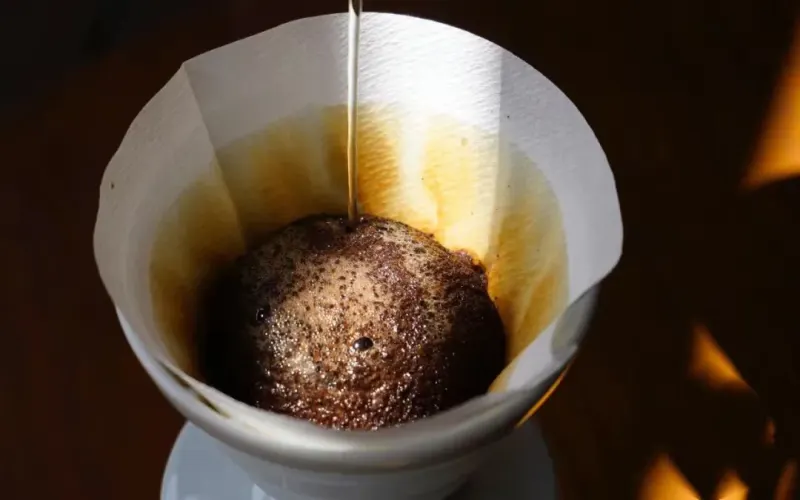
What affects the size of the bloom dome in pour-over coffee? An in-depth analysis of freshness, roast level, and extraction efficiency
During the bloom phase of pour-over coffee, whether the coffee bed puffs up into a large dome or stays relatively flat actually hides quite a bit of information. Although the degree of doming can't directly tell us whether the coffee tastes good, it can reflect the freshness of the coffee beans, the roast level, and the extraction efficiency during brewing. This time, Front Street Coffee will help everyone understand: why do some beans puff up like a balloon during the bloom while others stay flat and collapsed? What role does carbon dioxide play in this? Why do dark roasts and fresh beans puff up more? How do extraction parameters influence the degree of doming? Once you understand these things, you can read the bloom dome as a "bean status file" rather than mistakenly treating it as a standard for judging flavor quality. [more…]
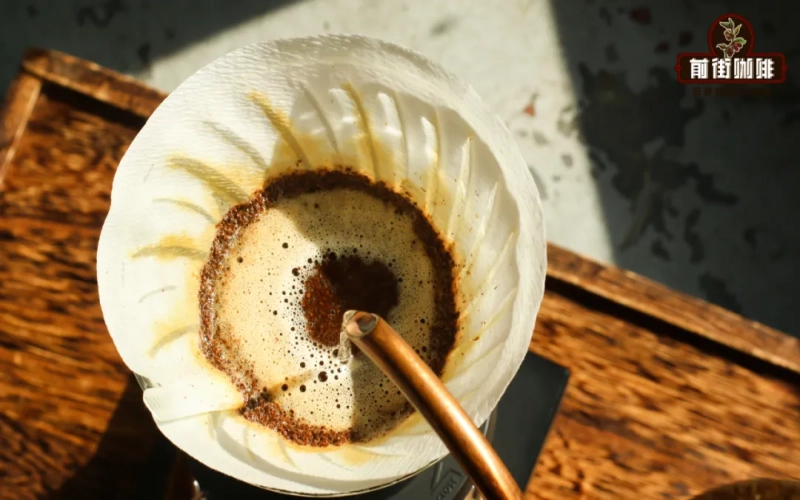
How Should You Decide the Timing for Multiple Pours in Pour-Over Coffee? An Analysis of the Practical Impact of Pour Timing on Extraction Efficiency and Flavor
Multi-pour pouring is a brewing technique commonly used by many enthusiasts in pour-over coffee, but for each pour, should you wait for the water level to drain completely before pouring again, or continue pouring while there is still liquid in the dripper? This seemingly minor choice actually affects the final extraction efficiency through two dimensions: extraction time and liquid concentration. Starting from a comparative experiment at Front Street, this article analyzes the specific effects of different pouring timings on extraction yield and flavor performance, and offers practical advice on how to flexibly choose pouring nodes in different brewing scenarios, helping you more precisely control the flavor direction of every cup of pour-over. [more…]
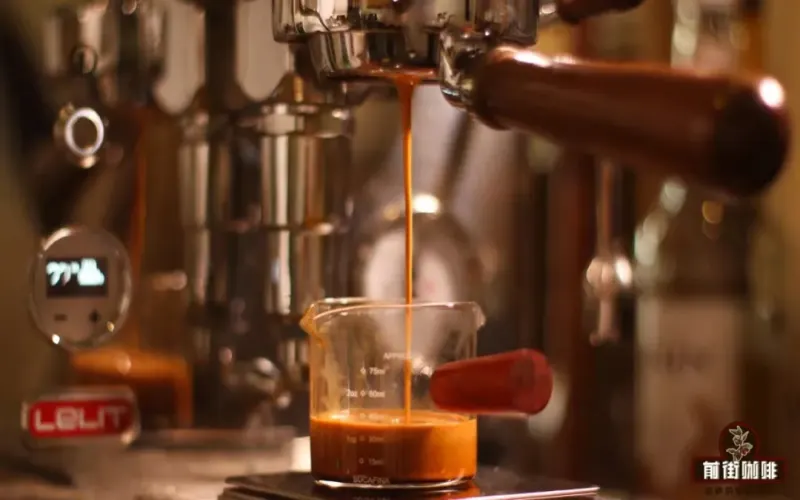
How does water temperature influence coffee extraction efficiency and crema formation? Can it also change espresso flow rate?
Water temperature is a key variable in coffee extraction, as it directly determines the dissolution rate of flavor compounds. In pressurized espresso extraction, the role of water temperature goes far beyond simply affecting the extraction yield—it also alters the release rhythm of carbon dioxide, thereby influencing the thickness and texture of the crema, and even affecting the flow rate of the coffee liquid. Front Street Coffee once mentioned in an analysis of crema hardening that when extraction efficiency is too high, carbon dioxide surges out in a concentrated burst, making the crema layer thicker, and water temperature is one of the factors driving this change. Starting from Front Street Coffee's observations, this article sorts out the interconnected relationships between water temperature and extraction efficiency, crema formation, and flow rate, to help you control the variable of water temperature more precisely in your daily brewing. [more…]
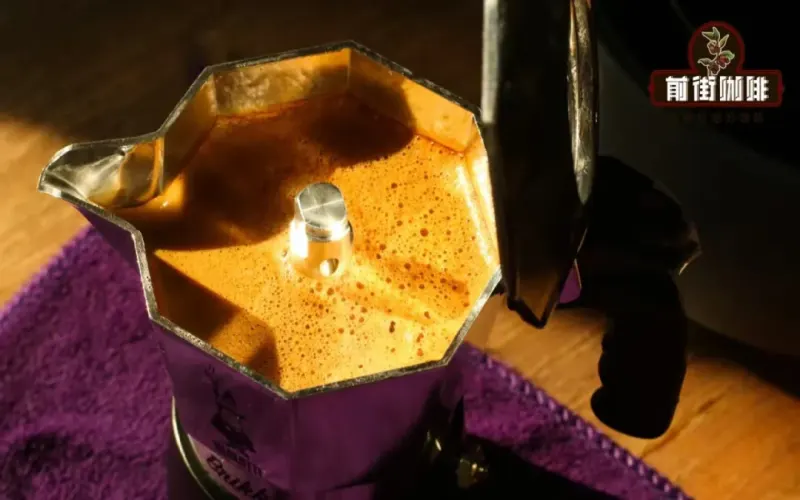
Moka Pot Espresso Enhancement Techniques: A Complete Operational Guide to Making Latte with Coffee-to-Water Ratio and Extraction Efficiency
The moka pot relies on pressure extraction to produce black coffee with a concentration close to espresso, so it is often seen as a home alternative to an espresso machine, used to recreate Americano, latte, mocha, and other specialty coffee drinks. However, the moka pot's pressure is limited, and making a latte directly tends to taste overly watery—the key is to increase the concentration of the coffee liquid itself. This article focuses on two approaches: first, tightening the coffee-to-water ratio to reduce the amount of hot water used, thereby raising the proportion of soluble solids; second, improving extraction efficiency through grind size, coffee dose, heat level, and extraction time. The article also offers coffee bean selection advice, and using a dark-roasted Golden Mandheling as an example, with a dose of 20g, a coffee-to-water ratio of 1:4, and 180ml of hot milk, it provides a complete demonstration of how to make a moka pot latte close to a genuine espresso latte, along with its flavor profile. [more…]
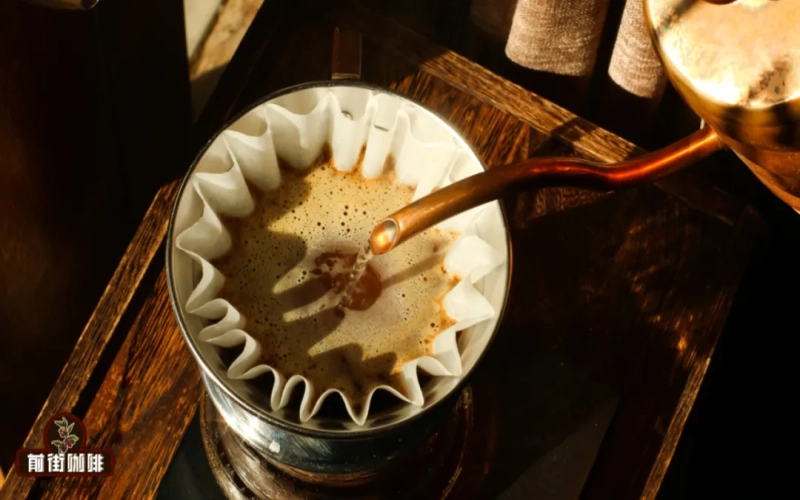
Why Does Pour-Over Coffee Favor Staged Pouring? Analyzing the Extraction Efficiency and Controllability Differences Between the One-Pour Method and the Three-Stage Method
In the world of pour-over coffee, the choice of pouring method often determines the final flavor direction. Although brewing techniques emerge endlessly, multi-pour pouring has always remained mainstream—whether in professional competitions, café offerings, or enthusiasts' daily practice, its presence can be seen everywhere. Many friends who are just getting into pour-over ask Front Street Coffee: why do we always have to divide the water into several pours? Behind this actually involves two key factors: the improvement of extraction efficiency and the controllability of the brewing process. This article will unfold around the differences between single-pour and three-stage pouring and other staged pouring methods, analyzing the advantages of multi-pour pouring from the perspectives of extraction time and concentration differences, while also answering why immersion extraction has a higher fault tolerance rate, helping everyone understand the essence of the pouring logic in pour-over coffee. [more…]
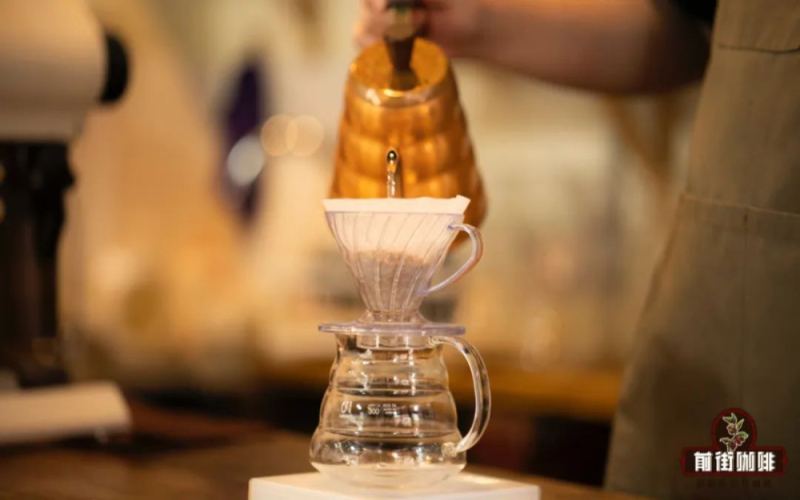
A Complete Analysis of the Pour-Over Coffee Extraction Principle: The Underlying Logic of Grind, Water Temperature, Water Quality, and Coffee-to-Water Ratio
To brew a good pour-over coffee, rather than memorizing various brewing techniques, it's better to first understand the underlying logic behind extraction. All brewing methods are essentially variations of the extraction formula; once you grasp the core principles, even beginners can quickly get the hang of it. This article, from the perspective of Front Street, will guide you through the composition of soluble substances in coffee beans, help you understand the differences in dissolution rates of the sour, sweet, and bitter flavors, clarify the reference significance of the golden cup extraction rate, and break down one by one how the five major variables—water temperature, grind size, coffee-to-water ratio, brewing time, and water flow—interact and jointly determine the final performance of a cup of coffee. [more…]
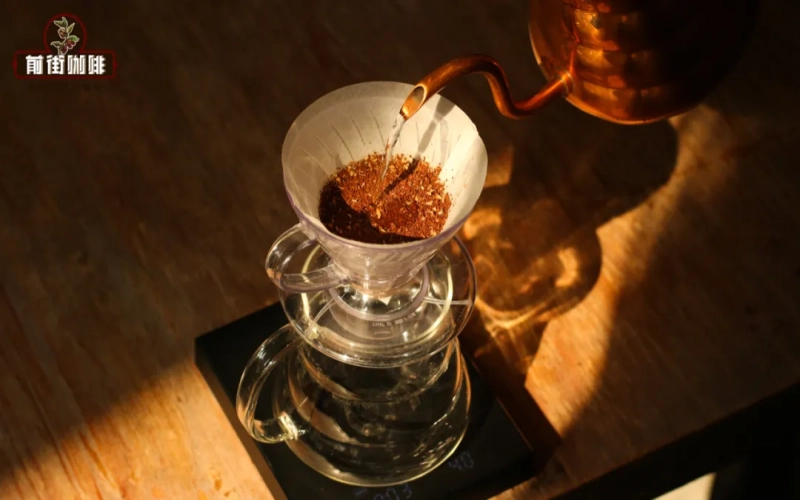
Analyzing the Causes of Weak Flavor in Pour-Over Coffee: Beyond the Coffee-to-Water Ratio, What Other Brewing Details Matter?
Many coffee enthusiasts encounter a situation where their pour-over coffee tastes weak and feels thin on the palate. People tend to attribute this to the coffee-to-water ratio right away, but in reality, far more factors than that affect coffee strength. Low extraction efficiency and excessive bypass water can also prevent flavor compounds from being fully released, ultimately resulting in a bland cup. This article will analyze the issue from three angles—coffee-to-water ratio, extraction efficiency, and bypass water—and, drawing on the characteristics of light-roast beans, share the specific brewing parameters and pouring techniques for Front Street Coffee's Yirgacheffe Gudingding, helping everyone avoid the problem of weak flavor and brew a cup of coffee with moderate strength and rich layers. [more…]
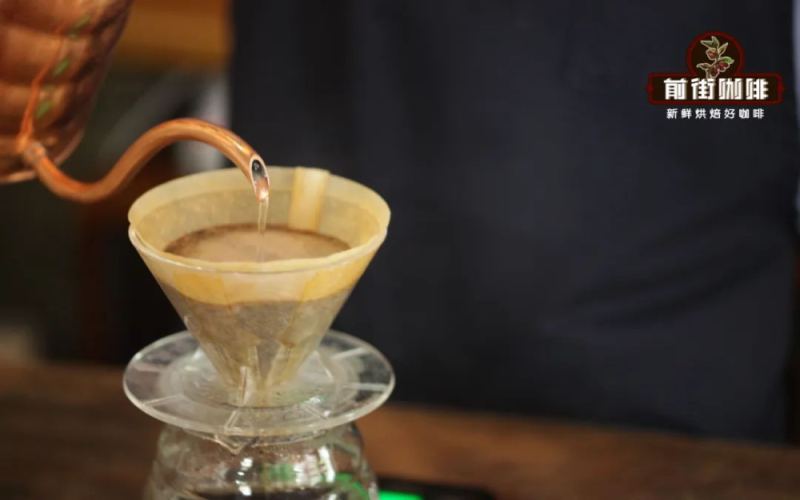
Analysis of the Differences Between Pulsed Pour-Over and One-Pour Method in Hand-Brewed Coffee: Extraction Time, Flushing Efficiency, and Suitable Bean Types
In pour-over coffee, the pouring method after blooming directly affects the final flavor. Is it the "one-pour" method, where all the water is poured at once, or is it divided into two or more stages? These two approaches differ significantly in extraction time, flushing efficiency, and controllability. Staged pouring extends the extraction window, making the release rhythm of sweet, sour, and bitter compounds more controllable, thereby enhancing the coffee's complexity. But more stages isn't necessarily better; in everyday brewing, two to three stages are most common, as they allow flexible adjustment and make it easier to hit the ideal extraction time. This article will compare in detail the differences between the one-pour method and staged pouring, and explain what kind of coffee beans are better suited to staged extraction. [more…]
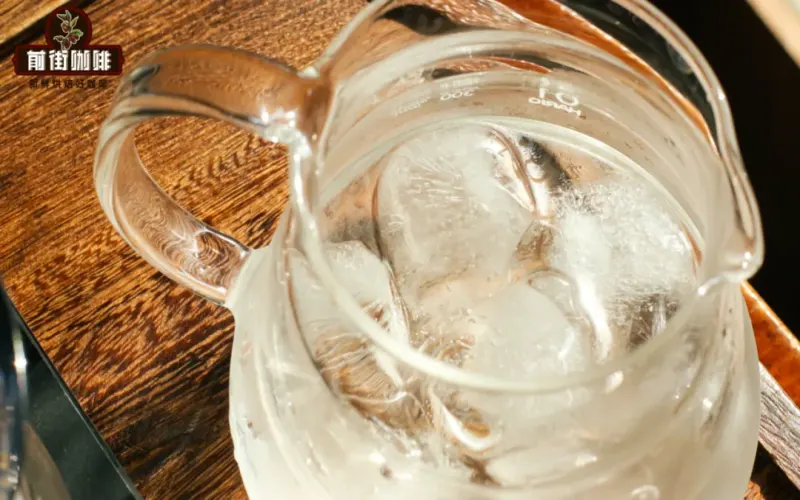
Can you use ice water to brew pour-over coffee? A comprehensive analysis of water temperature, grind size, and extraction efficiency
In the practice of pour-over coffee, water temperature, grind size, extraction time, agitation intensity, and coffee-to-water ratio together determine the final flavor expression. Coffee enthusiasts often ask: can iced pour-over be brewed directly with ice water? This article uses a comparative experiment with extreme parameters, brewing Front Street Coffee Frontera Estate · Sidra with 4°C ice water, an extremely fine grind, and continuous agitation throughout, to verify the actual effect of ice-water extraction. The experimental results show that even when all other extraction variables are pushed to their limits, ice water still struggles to effectively dissolve the flavor compounds in coffee, and the final result is merely a cup of water with a faint coffee aroma. The article further explains why ice-water extraction is so inefficient and offers more viable cold brew and ice drip alternatives when only ice water is available. [more…]
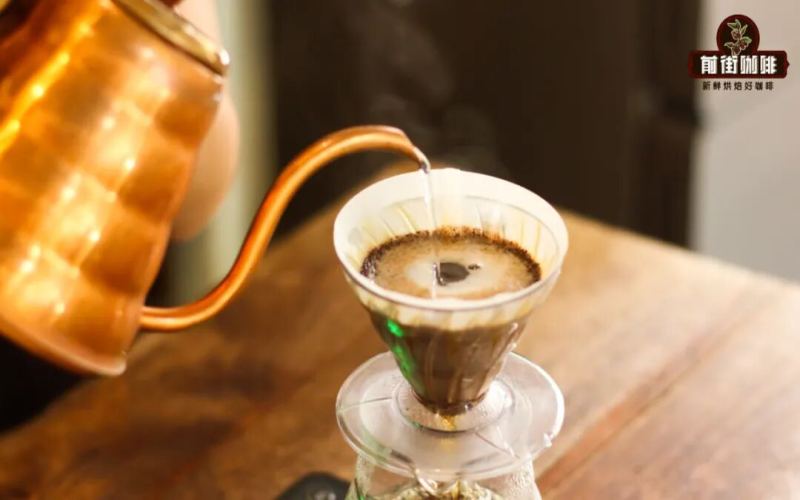
Pour-Over Coffee Water Pouring Techniques | How Should Coffee Beginners Learning Pour-Over Coffee Pour Water? What Details Should Be Paid Attention to When Pouring Water in Pour-Over Coffee?
At Front Street Coffee shops, we often meet friends who have been teaching themselves pour-over coffee at home and come to discuss brewing-related questions with us. Many of them say that although the parameters they use are exactly the same as those we recommend in the shop, the coffee they brew always tastes inconsistent—sometimes good, sometimes bad—and they have no idea where the problem lies. In cases like this, [more…]
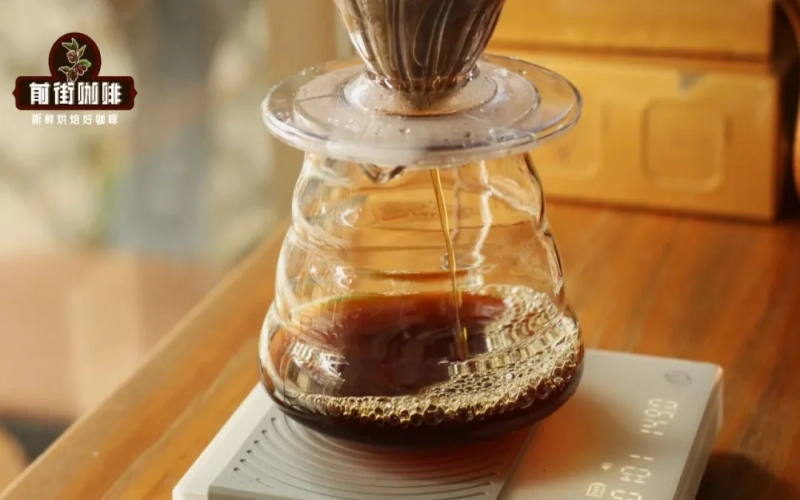
A Complete Analysis of Pour-Over Coffee Water Pouring: How Position, Path, Height, and Flow Rate Affect Extraction
Many friends who are teaching themselves pour-over coffee at home often run into a problem: even when the parameters match those recommended by Front Street stores, the coffee they brew comes out inconsistent—sometimes good, sometimes bad. The reason is mostly that the water flow is not stable enough during pouring. The position, path, height, and size of the pour all directly affect the evenness of extraction and the flavor expression of the coffee. SCA experimental data shows that the higher the stability of the water flow, the higher the extraction evenness. Starting from the brewing practice with Front Street’s Little Tomato coffee beans, this article systematically analyzes how the four major elements of pouring affect extraction, and gives specific operational suggestions to help you consistently brew a delicious cup of pour-over coffee. [more…]
What Are the Principles and Advantages of Pulse Pouring in Pour-Over Coffee? A Full Analysis of Water Ratios and Flexible Adjustment Methods
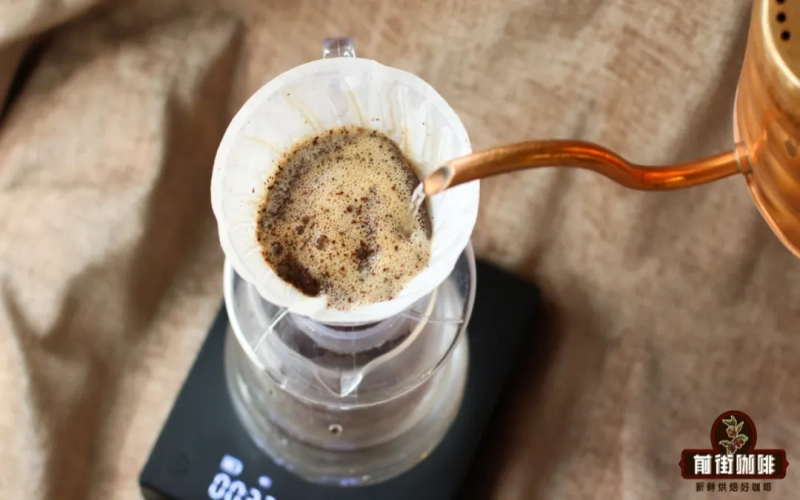
In the practice of pour-over coffee, staged pouring is a widely used technique, yet the principles behind it and the scenarios in which it applies are often overlooked. Drawing on Front Street Coffee's brewing experience, this article systematically outlines the three major advantages of staged pouring: extending extraction time, improving extraction efficiency, and avoiding bypass water. At the same time, using concrete examples, the article explains how to flexibly adjust the number of pouring stages according to variables such as grind size, water temperature, coffee dose, and bean density. Whether you are a beginner just getting into pour-over or an enthusiast hoping to refine your technique, you can gain practical reference ideas from it to make each cup of coffee's flavor expression more stable and fuller. [more…]
What are the advantages of the stirring blooming method in pour-over coffee? An in-depth analysis of the practical techniques of the Mad Barista stirring method
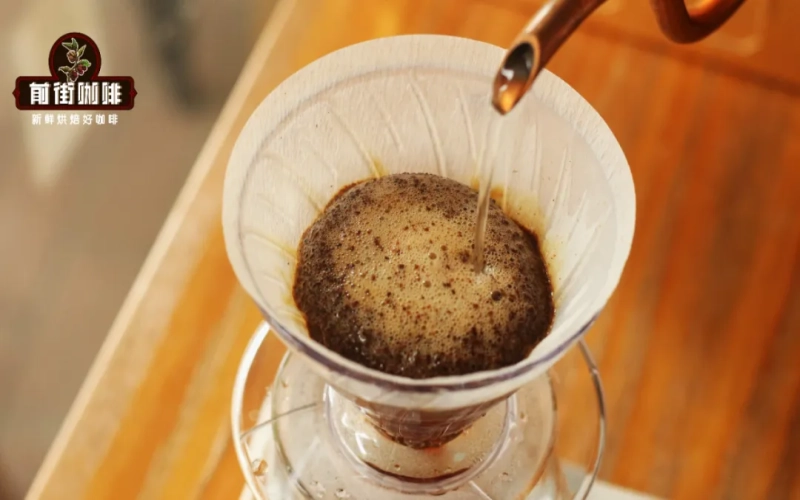
In the world of pour-over coffee, the agitation method is a more aggressive extraction technique than water-stream agitation. It acts directly on the coffee bed through a tool, accelerating the release of soluble flavor compounds. Front Street Coffee shared this method last year, but did not elaborate on the specific steps. This article will systematically sort out the three major application scenarios of the agitation method—the blooming stage, remedial action when extraction efficiency is insufficient, and its use when actively adjusting parameters—and provide an in-depth analysis of the key details to note when using agitation, such as grind size, agitation force, and number of agitations, helping coffee enthusiasts master this technique more precisely. [more…]
The Complete Guide to Pour-Over Coffee Water Pouring: Analyzing the Core Techniques of Position, Path, Height, and Flow Rate
Many coffee enthusiasts who practice pour-over at home often struggle with inconsistent flavor even when their parameters match those used in cafés. The root cause usually lies in the water stream not being stable enough during pouring. In fact, the position, path, height, and size of the pour all directly affect the extraction. SCA experimental data shows that the higher the stability of the water stream, the higher the extraction uniformity. This article draws on the hands-on experience of Front Street cafés to systematically explain how to stabilize the brewing of a delicious pour-over coffee through precise control of pouring. Whether you are a beginner or an advanced player, mastering these pouring essentials can take your coffee quality to the next level. [more…]
The Impact of Wetting Filter Paper Water Temperature on Coffee Extraction: How to Choose Between Hot and Cold Water
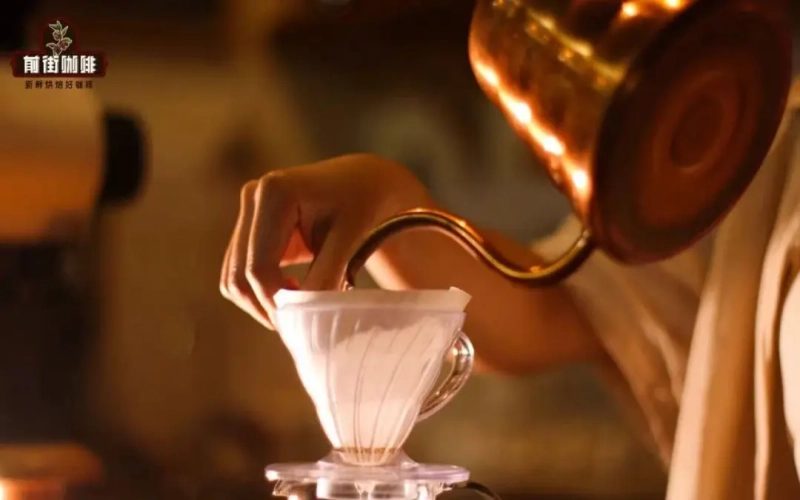
When brewing pour-over coffee, wetting the filter paper is a common step, but have you ever considered that the choice of water temperature can also change the final flavor? This article analyzes the different results brought by wetting the filter paper with hot water versus cold water from three dimensions: the state of the filter paper, extraction efficiency, and coffee temperature. At the same time, drawing on Front Street Coffee's brewing experience, it offers recommendations for filter holders made of different materials such as ceramic and resin, and explores the actual impact of preheating the sharing pot on the temperature of the brewed coffee. Whether you are pursuing sweetness or delicate flavors, you can find a way of wetting the filter paper that suits you. [more…]
Moka Pot Can Also Make Standard Espresso-Based Drinks: Espresso Enhancement Tips and Floral Coffee Bean Recommendations
The moka pot uses pressurized extraction, and its principle is the same as that of an espresso machine. Therefore, it can make black coffee with a concentration close to espresso, and is regarded by many people as a home alternative to an espresso machine. On this basis, it can then be used to recreate Americano, latte, mocha, and other specialty coffee drinks. However, the pressure of a moka pot is limited, and the coffee concentration is only close to espresso. When milk is added directly, the result often tastes too watery, so the key is to increase the concentration of the coffee itself. This article will explain why it is necessary to increase the coffee-to-water ratio and extraction efficiency, and will provide adjustment directions such as grind size, coffee dose, and heat level. It will also recommend coffee beans with floral and fruity notes that are suitable for the moka pot, and finally use Golden Mandheling as an example to fully demonstrate the production process and parameters for a cup of moka pot latte. [more…]
Pour-over coffee knowledge | Why doesn't the coffee bed puff up during blooming? Does a single-origin bean that doesn't puff up mean poor quality? Does a bigger coffee bed puff mean the coffee is fresher?
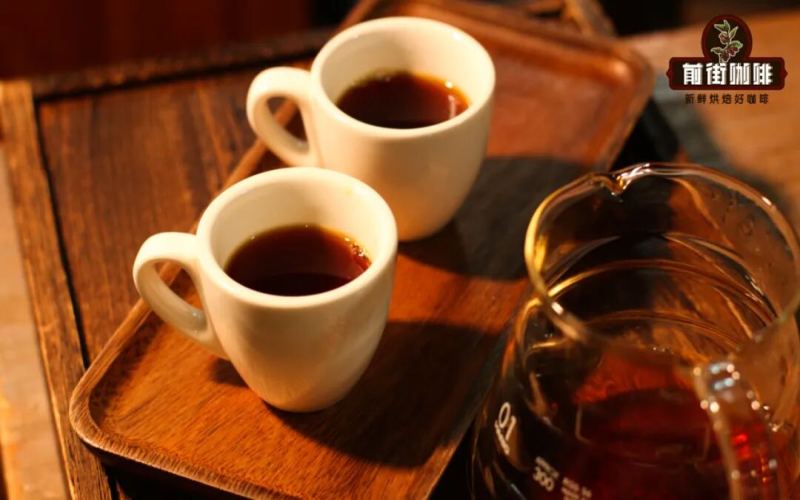
Whenever Front Street brews a pour-over for a customer's order, if the coffee bed puffs up quite a bit during blooming, there's a good chance the customer will ask: "Why doesn't my coffee bed puff up this much when I brew?" This is a topic Front Street often discusses! Honestly, although the bloom [more…]